top of page
.png)
Focus


HIV/AIDS Care Advance Road to Cure: From Daily Management to Long Acting Prevention and Immune Guided Remission
Global human immunodeficiency virus (HIV) control has accelerated, yet uneven access and financing shocks threaten recent gains. In 2024, an estimated 40.8 million people were living with HIV; 77% received antiretroviral therapy (ART) and 73% had suppressed viral loads—contributing to dramatic reductions in new infections and deaths since 2010.1 At the same time, innovation has shifted from daily management toward lighter, longer‑acting regimens and credible steps towards cure. Twice‑yearly lenacapavir for pre‑exposure prophylaxis (PrEP) gained regulatory approvals in 2025 after exceptional trial efficacy, while Cabenuva (cabotegravir/rilpivirine) expanded monthly or every‑other‑month treatment options with real‑world effectiveness. Immune‑based strategies—including broadly neutralizing antibodies (bNAbs) paired with lenacapavir, CRISPR gene editing, and mRNA latency reversal—are advancing, moving cure research from concept to cautious human studies. Yet UNAIDS warns that 2025 funding shocks are disrupting prevention programs, underscoring an urgent need for sustainable financing.2 This article synthesizes the latest global statistics, long‑acting tools, cure‑oriented science, patient‑centered formulations, and access realities—ending with a discussion of health policy and financing.
Dr. Feng Xue
Dec 19, 2025
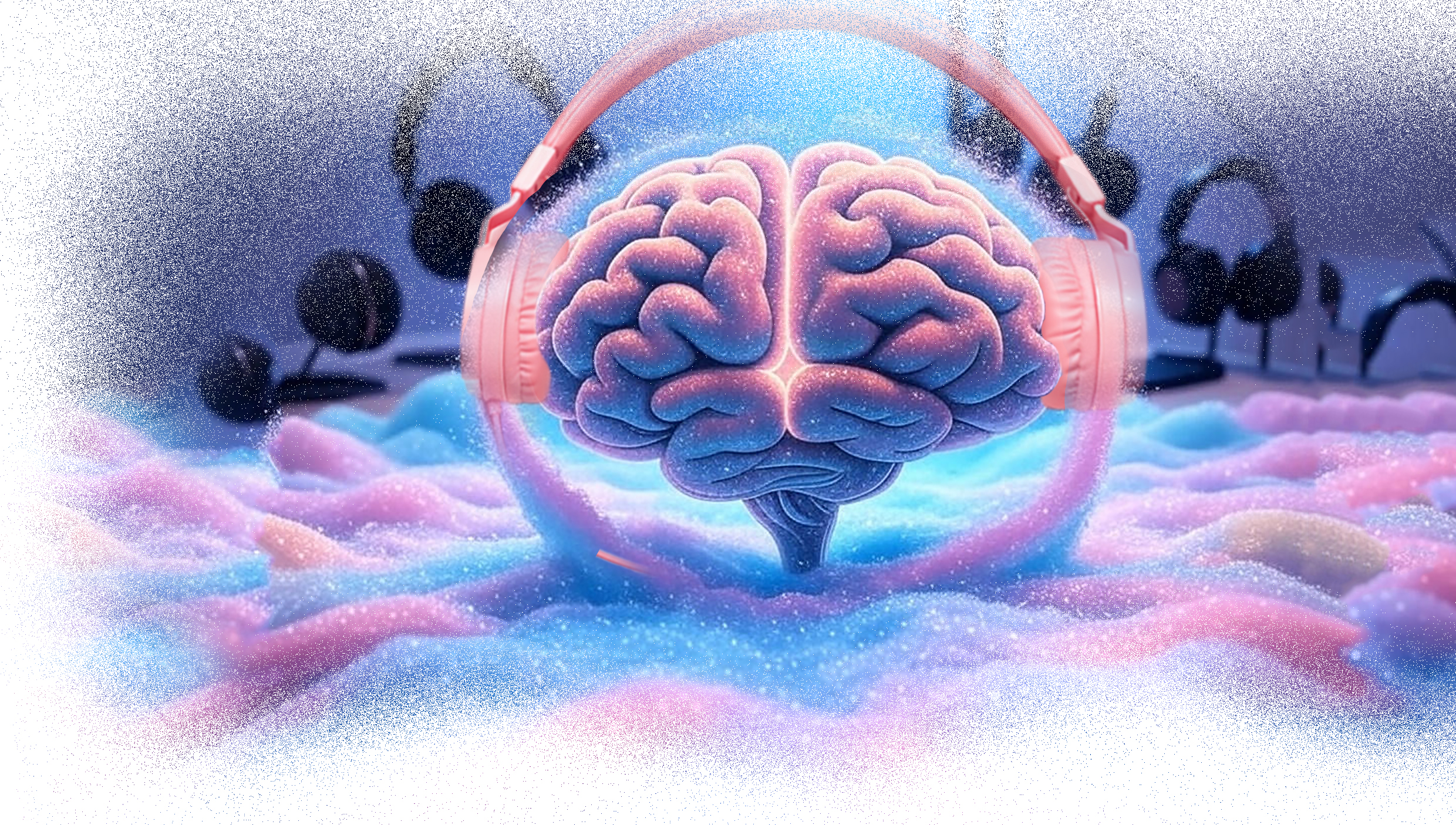
The Tingling for Relaxation – A Review on Autonomous Sensory Meridian Response (ASMR) and Its Clinical Impacts
The Autonomous Sensory Meridian Response (ASMR) is a pleasant tingling sensation, typically beginning on the scalp and spreading down the neck and spine, and is elicited by a range of specific auditory, visual, or tactile stimuli, such as whispering, tapping, or gentle hand movements1. Although existing literature suggests that ASMR triggers differ among individuals, watching ASMR videos has become a popular way to relax and alleviate symptoms of stress and insomnia2. Accordingly, the therapeutic potential of ASMR has attracted the interest of researchers and clinicians. Nonetheless, the underlying physiological mechanism of ASMR is still not fully understood. The purpose of this article is to review published literature on the physiology of ASMR and discuss its therapeutic potential in various psychiatric conditions.
Dr. Roy Lau
Jun 13, 2025
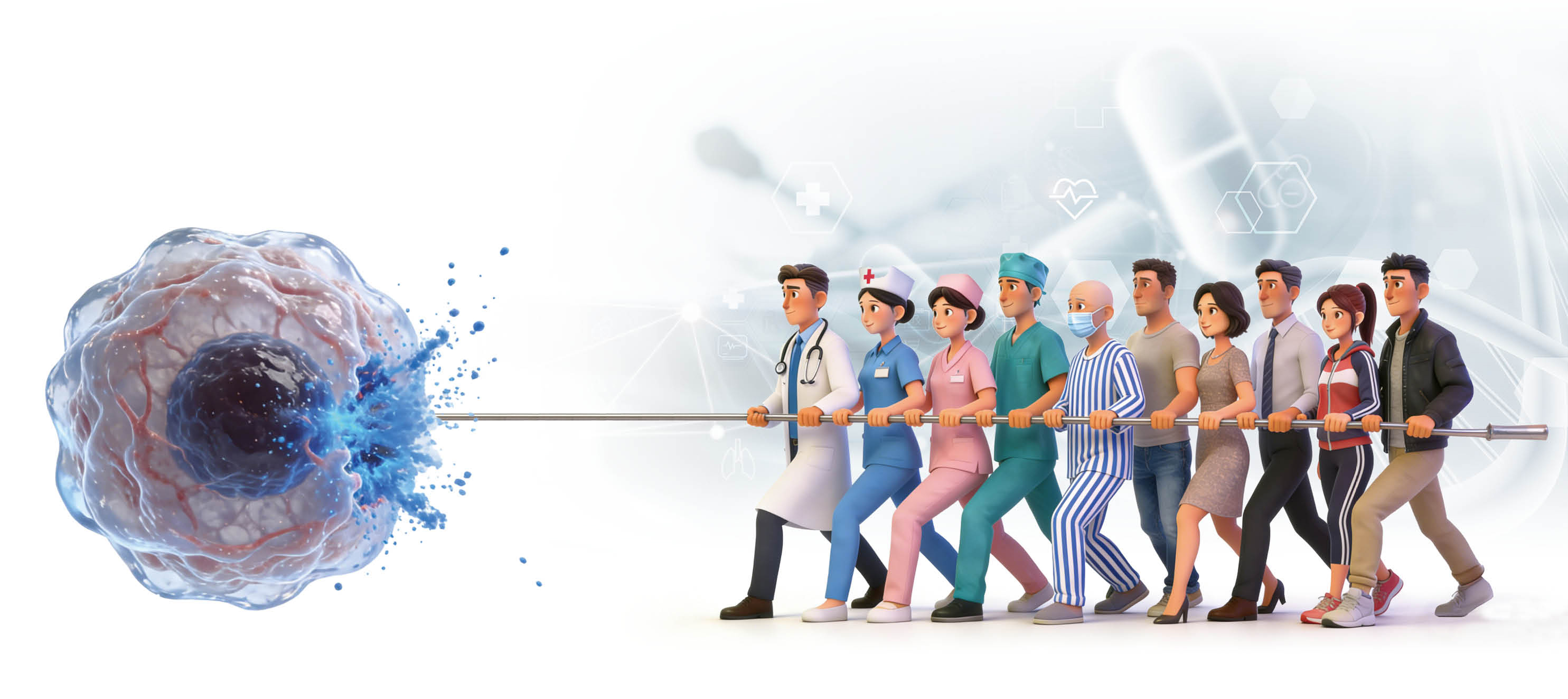
United by Unique: Honoring Every Story on World Cancer Day 2026
World Cancer Day, observed annually on 4 February, is a global moment for reflection, awareness, and action. The 2025–2027 theme, “United by Unique,” calls for a fundamental shift in how the world understands and delivers cancer care: from systems built around diseases to systems designed around people. This article explores the meaning behind the theme, why a people‑centered model matters, and how individuals, communities, and institutions can work together to build a future in which every person’s story guides care. By recognizing that every
experience of cancer is unique—and by uniting across sectors and societies—we can create a world that looks beyond the disease and truly sees the person.1,2,3
Dr. Feng Xue
Feb 11, 2026
bottom of page