
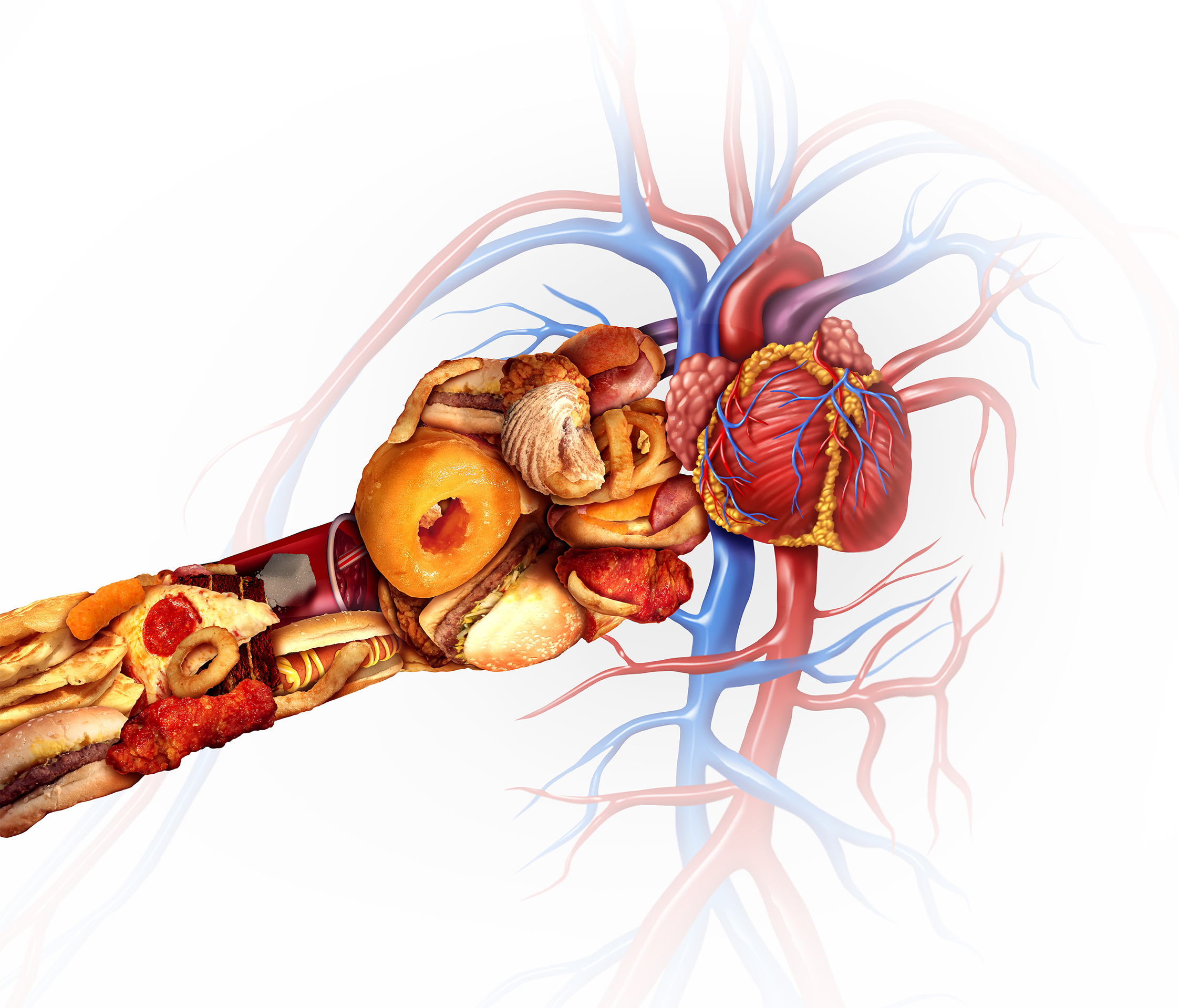
The habit of consuming meals prepared away from home is increasingly common in urban environments like Hong Kong. A large-scale prospective cohort study provides compelling evidence that a high frequency of eating meals prepared outside the home is significantly associated with an increased risk of death from all causes. While associations with cardiovascular and cancer-specific mortality require further investigation, the findings underscore an important public health consideration. This article reviews the context of dining out in Hong Kong, summarises the key evidence linking it to mortality risk, and explores potential strategies for mitigation aimed at healthcare professionals.
Hong Kong is a city renowned for its vibrant culinary scene and fast-paced lifestyle. A confluence of factors drives the high frequency of dining out among its residents. Long working hours and extensive commuting times often leave little opportunity for meal preparation at home. The dense urban environment offers unparalleled convenience with a vast array of dining options from quick service restaurants and cha chaan teng (Hong Kong-style café) to high-end establishments at nearly every corner. Furthermore, smaller living spaces in many households can make cooking and storing groceries less practical. This cultural and socioeconomic landscape has made consuming meals away from home a norm rather than an exception for a large segment of the population.
The relationship between frequent consumption of meals prepared away from home and health outcomes has been systematically examined in major studies. A key investigation analysed data from over 35,000 American adults followed for nearly two decades. The study accounted for variables including age, sex, socioeconomic status, dietary quality, lifestyle factors, and body mass index. The results revealed that participants who consumed two or more meals prepared away from home per day had 49% higher risk of death from any cause compared to those who ate such meals less than once per week (Figure. 1).
-2.jpg)
Figure 1: Association of frequency of eating meals prepared away from home with all-cause mortality among US adults from 1999-2014.
This elevated risk can be attributed to several nutritional and environmental factors. Meals prepared away from home are consistently documented to be higher in energy density, saturated fat, and sodium while being lower in dietary fibre, fruits, vegetables, and whole grains. This nutritional profile aligns with known risk factors for chronic diseases. Additionally, the overall dietary quality, as measured by indices like the Healthy Eating Index, is generally lower for food consumed away from home. Beyond nutrition, some research suggests exposure to certain chemicals like phthalates may be higher when dining out, which could pose additional health risks. The study also noted that the association with all-cause mortality appeared stronger among individuals with lower family incomes, highlighting a potential disparity in access to healthy food or choices when eating out.
Regarding cause-specific mortality, the same study found hazard ratios of 1.18 for cardiovascular mortality and 1.67 for cancer mortality for the most frequent consumers of away-from-home meals. However, these results were not statistically significant, likely due to the smaller number of specific cause deaths. This indicates a clear need for more research with larger sample sizes and longer follow-up to definitively establish these links.
For healthcare professionals in Hong Kong, these findings present an opportunity to guide patients toward healthier lifestyles without demanding an unattainable complete avoidance of dining out. The goal should be a reduction in frequency and an improvement in the quality of choices when meals are consumed away from home.
Public education is paramount. Patients can be encouraged to view dining out as an occasional treat rather than a daily routine. Practical advice can include reviewing menus online beforehand to identify healthier options, prioritising dishes that are steamed, boiled, or grilled over those that are deep fried or heavily sauced, and requesting for sauces and dressings to be served on the side. Increasing the consumption of vegetables and whole grains with each away-from-home meal can also help improve dietary balance.
At a broader policy level, there is a role for initiatives that improve the nutritional quality of food served in restaurants. While menu labelling laws that require calorie and nutrient information on most prepackaged foods have been implemented in Hong Kong, their effectiveness can be limited if consumers do not notice or understand the labels. More impactful may be government-led partnerships with the food and restaurant industry to reformulate recipes, reducing sodium, saturated fats, and sugars in commonly offered dishes. Subsidies or support for restaurants that incorporate healthier ingredients and cooking methods could also foster a more health-conscious food environment.
The convenience of meals prepared away from home is an integral part of modern life in Hong Kong. However, emerging evidence signals that over-reliance on this practice carries a tangible risk, notably an increased likelihood of all-cause mortality. While the connections to specific causes of death like cardiovascular disease and cancer are still being unravelled, the current evidence provides a strong foundation for preventive action. Healthcare professionals are well-positioned to advocate for a cultural shift towards more home-cooked meals and smarter restaurant choices, while supporting broader public health policies that make the healthy option the easier option for all residents of Hong Kong.
Reference
1. Du Y, et al. Association Between Frequency of Eating Away-From-Home Meals and Risk of All-Cause and Cause-Specific Mortality. J Acad Nutr Diet. 2021 Sep;121(9):1741-1749.e1. doi: 10.1016/j.jand.2021.01.012.